


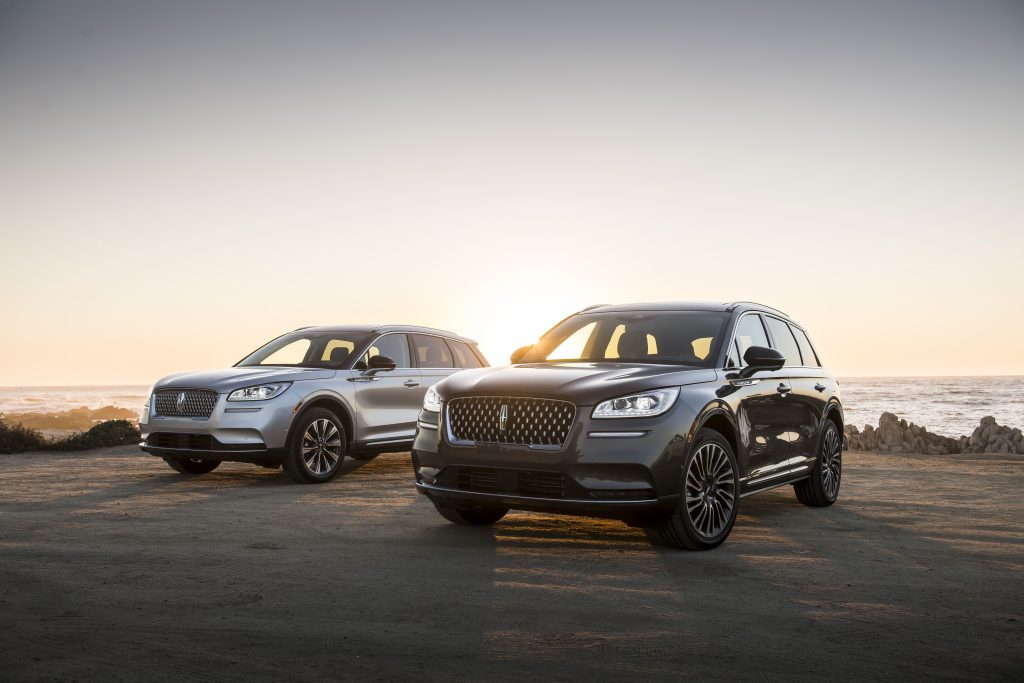
Let’s clear up one of the most confusing “labels” in the car world: CUV vs SUV. People use the terms interchangeably, but they do mean slightly different things, and knowing the difference between CUV and SUV helps you pick the vehicle that fits your actual life (not just your Pinterest board).
Here’s the simple breakdown, plus a quick “which one should you buy?” guide, Lincoln-style.
First: what’s a CUV?
The “daily driver first” crossover
A CUV is a crossover utility vehicle—basically an SUV-shaped vehicle that’s designed more like a car underneath. Most CUVs are built to feel smooth, easy, and efficient in everyday driving, with a comfortable ride and a more “car-like” personality.
What CUV owners usually love:
- Easier maneuvering and parking
- Smoother ride quality
- Often better fuel economy than larger SUVs
- Great balance of space + comfort for daily life
If your week is commutes, errands, school drop-offs, and weekend trips, a CUV is usually the low-stress choice between CUV vs SUV.
Now: what’s an SUV?
The “bigger, stronger, more capable” vibe
SUV is a broader term, but when buyers say “SUV,” they often mean something that leans more toward traditional utility: larger body, higher capacity, more towing potential, and that “built for the long haul” feeling.
What SUV buyers usually prioritize:
- More space (especially third row options)
- More cargo room when fully loaded
- More towing capability (often)
- More “big vehicle confidence” on the road
If you’re hauling people, gear, or trailers often (or you simply want maximum room) SUV is usually where your search ends.
The difference between CUV and SUV
It’s not just size, it’s the personality
When people ask about the real CUV vs SUV difference, the biggest real-world distinction is this:
CUV = comfort and everyday usability first
SUV = maximum utility and capability first
You can find overlap (some CUVs are large, some SUVs drive smoothly), but this is the simplest lens to shop CUV vs SUV through.
Which Lincoln models are CUVs and which are SUVs?
Lincoln’s lineup breaks down like this:
CUV: Lincoln Corsair, Lincoln Nautilus
SUV: Lincoln Aviator, Lincoln Navigator (including Navigator L)
Ride feel: smooth vs “commanding”
The biggest difference between a CUV and SUV? CUVs tend to feel more refined on broken pavement and around town: less bulky, more nimble. SUVs tend to feel more commanding and substantial, especially at highway speed with a full cabin and cargo load.
If you want a vehicle that feels easy and polished in tight parking lots, CUV usually wins in the CUV vs SUV debate. If you want the “I’m in charge of the road” feeling, SUV might be your move.
Space reality check: what you actually need
Here’s the honest question most people skip:
Are you buying space you’ll use… or space you’ll just like knowing you have?
CUV is ideal for:
- Singles, couples, or smaller families
- People who don’t regularly need a third row
- Drivers who want SUV practicality without “big SUV” bulk
- SUV is ideal for:
- Families who regularly carry 5–7 passengers
- Road trippers with lots of gear
- People who want maximum flexibility (third row, cargo, towing)
The third row factor
This is where a lot of CUV vs SUV decisions get made. If you truly need a third row often, you’ll usually be happier in a larger SUV built for it. If you only need occasional extra seating, a CUV might still work, especially if you don’t want to drive a full-size vehicle every day.
Which should you buy? A quick personality quiz
Choose a CUV if you want…
- A smooth daily drive
- Easy parking and city maneuvering
- Enough space for real life without the “extra bus” feeling
- A vehicle that feels polished, not bulky
Choose an SUV if you want…
- Maximum interior space and flexibility
- More “family-hauler” confidence for long trips
- More capability for towing or heavier-duty use
- A bigger footprint with a commanding feel
Lincoln perspective: the luxury difference
Luxury changes the conversation a bit… because Lincoln CUVs and SUVs are designed to feel quiet, refined, and “easy” even when they’re big. That means you can get SUV space without giving up comfort, and you can get CUV practicality without feeling “entry level.”
That’s the Lincoln CUV vs SUV difference. The right answer between CUV vs SUV is still lifestyle-based, but Lincoln makes both sides feel premium.
Find your perfect fit at J.C. Lewis Lincoln Savannah
If you’re deciding CUV vs SUV, the best next step is to test-drive both styles back-to-back. At J.C. Lewis Lincoln Savannah, we’ll help you match the vehicle to how you actually drive; your commute, your family, your weekend habits, and your “real life” cargo needs.
Tell us what your day-to-day looks like, and we’ll point you toward the Lincoln that fits you best (without overselling you into more vehicle than you need). Visit the dealership or call us today.
FAQ: CUV vs SUV
If you’re still deciding CUV vs SUV, these quick answers will help you shop with confidence (and choose the right Lincoln size and style).
+ What does SUV and CUV stand for?
SUV stands for Sport Utility Vehicle. CUV stands for Crossover Utility Vehicle. In everyday terms, CUVs are typically designed to feel more car-like and city-friendly, while SUVs usually lean more “utility-first” with more space and capability.
+ What is the difference between a CUV and an SUV?
The difference between CUV and SUV is usually about design intent and driving feel. A CUV is generally built for smooth daily driving, easier maneuvering, and efficient use of space. An SUV typically emphasizes maximum interior room, stronger capability, and a more substantial, commanding road presence. There’s overlap—but that’s the core CUV vs SUV difference.
+ Which is better: a CUV or SUV?
Neither is universally better. Your CUV vs SUV choice depends on your lifestyle. If you want a refined daily driver that’s easy to park and comfortable for commuting, a CUV is often the best fit. If you need three-row space more often, carry more passengers or cargo, or want a bigger “road trip and family-hauler” feel, an SUV is usually the better choice.
Connect with us

