


Lincoln Aviator Gas Mileage
Driving style: Hard acceleration and late braking use more fuel than smooth inputs.
Trip length: Several short drives are often less efficient than one longer trip.
Speed: Higher highway speeds increase aerodynamic resistance.
Traffic: Stop-and-go routes require repeated acceleration.
Climate control: Heavy air-conditioning or heating use can affect consumption.
Tire pressure: Underinflated tires create additional rolling resistance.
Vehicle load: Passengers, cargo, roof-mounted equipment, and trailers add weight or drag.
Maintenance: Worn components or unresolved warning lights can affect efficiency.
Terrain and weather: Hills, wind, rain, and temperature changes can influence results.
The highest estimated combined mileage
Confident performance on mostly paved roads
A slightly simpler drivetrain
Added traction in rain and changing conditions
More confidence on loose or slippery surfaces
Power delivered to all four wheels when needed
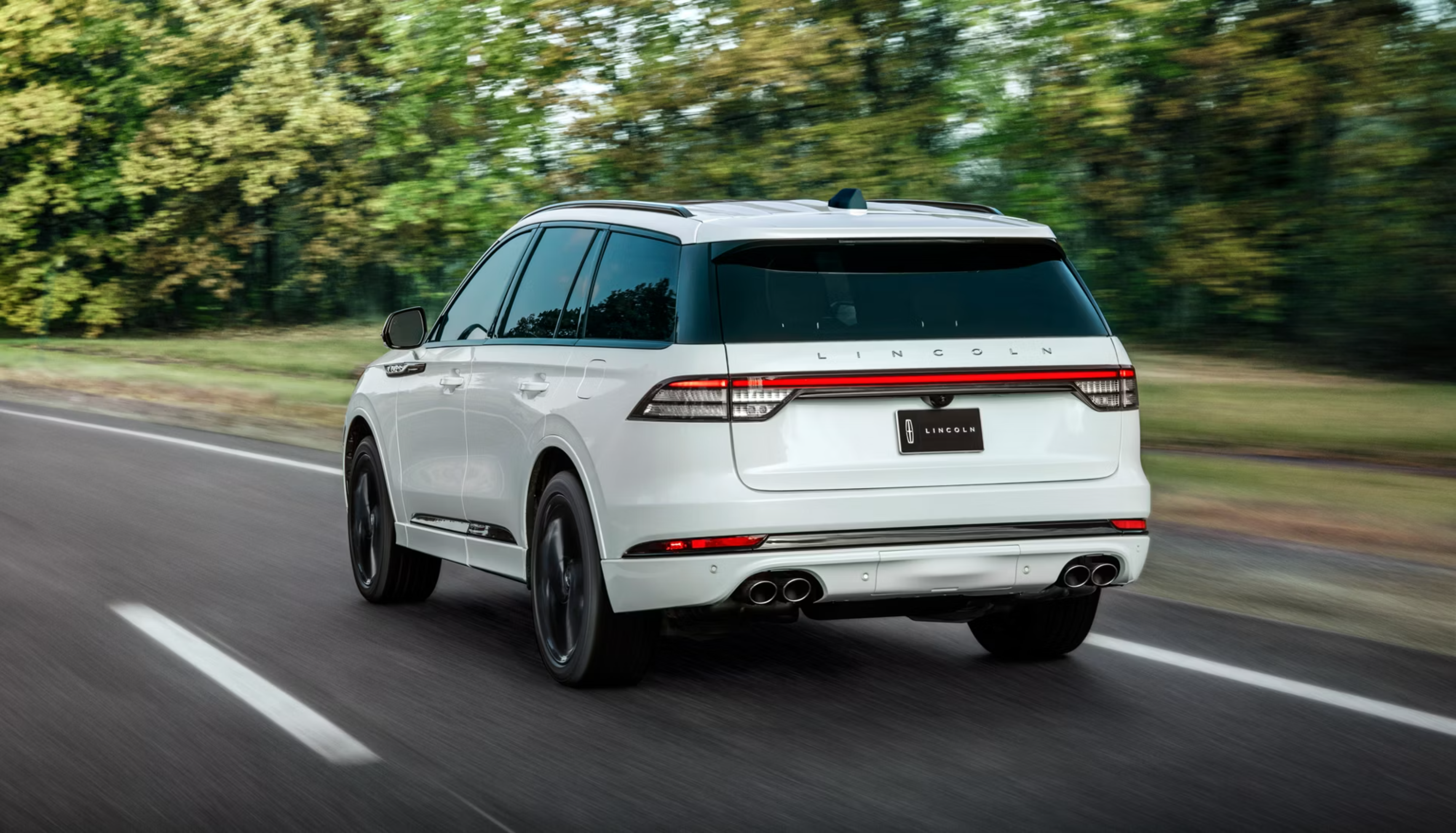
Lincoln Aviator Gas Mileage:
MPG, Power, and Everyday Driving Expectations
Luxury Power Without Constant Fuel Stops
A three-row luxury SUV needs to do more than move people. It should merge confidently, cruise quietly, carry family gear, and make long drives feel less demanding. The Lincoln Aviator brings that experience together with a twin-turbocharged V6 and a choice between rear-wheel drive and all-wheel drive.
Naturally, that power and flexibility raise an important ownership question: What should you expect from Lincoln Aviator gas mileage?
The answer depends partly on drivetrain and partly on how you drive. Highway cruising tends to bring out the Aviator’s most efficient side, while short trips, heavy traffic, aggressive acceleration, and frequent idling can pull results below the EPA estimate.
At J.C. Lewis Lincoln Savannah, we’re breaking down Lincoln Aviator MPG, power, fuel requirements, and the everyday factors that matter around Savannah and across Coastal Georgia.
Quick Answer: What MPG Does the Lincoln Aviator Get? ??
EPA-estimated 2026 Lincoln Aviator MPG depends on whether you choose rear-wheel drive or all-wheel drive:
Rear-Wheel Drive Aviator
18 city / 25 highway / 21 combined MPG
Rear-wheel drive delivers the strongest estimated combined Lincoln Aviator gas mileage. It’s a natural fit for drivers who spend most of their time on paved roads and don’t need the added traction of all-wheel drive.
All-Wheel Drive Aviator
17 city / 25 highway / 20 combined MPG
All-wheel drive lowers the city and combined estimates by 1 MPG while keeping the same 25-MPG highway rating. Actual mileage varies with driving habits, road conditions, weather, vehicle load, and equipment.

Power and MPG Share the Same Driver’s Seat
The Aviator isn’t designed to chase compact-crossover efficiency. It’s a three-row luxury SUV built to deliver confident acceleration, passenger space, towing ability, and smooth highway performance.
Every 2026 model uses a twin-turbocharged 3.0-liter V6 with Auto Start-Stop Technology. The engine produces 383 horsepower and 415 pound-feet of torque and pairs with a 10-speed SelectShift® automatic transmission. That output gives the Aviator the strength to accelerate decisively without making the powertrain feel overly busy during normal driving.
This balance is important when evaluating Lincoln Aviator MPG. You’re getting fuel-economy ratings from an SUV that seats up to seven, offers substantial cargo flexibility, and can tow up to 5,000 pounds when properly equipped. Those capabilities require more energy than a smaller, lighter two-row vehicle.
What Lincoln Aviator Gas Mileage Feels Like Every Day
An EPA rating is a useful comparison tool, but it isn’t a promise that every tank will produce the same number.
Around Savannah
Short trips, traffic lights, warm-weather air-conditioning use, and extended idling can lower Lincoln Aviator gas mileage. The engine uses more fuel while accelerating than it does while maintaining a steady speed, so repeated stop-and-go driving usually produces results closer to the city estimate.
Drivers with short commutes may also see lower mileage because the engine spends a larger share of each trip warming up.
On the Highway
The Aviator’s 25-MPG highway estimate applies to both RWD and AWD models. Steady cruising gives the 10-speed transmission an opportunity to settle into a higher gear, helping support stronger Lincoln Aviator gas mileage on road trips between Savannah, Hilton Head, Charleston, Jacksonville, and other regional destinations.
High speeds still matter. Fuel economy generally drops as speed and aerodynamic resistance increase, so relaxed cruising can help Lincoln Aviator MPG more than frequent passing and rapid acceleration.
With Passengers or Cargo
Adding passengers, luggage, accessories, or trailer weight increases the work required to move the SUV. A fully loaded Aviator may use more fuel than the same vehicle carrying only a driver.
The effect becomes more noticeable during city driving, climbing, towing, or repeated acceleration. That doesn’t mean you shouldn’t use the Aviator’s space and capability. It simply means the EPA estimate was created under standardized test conditions rather than your exact family trip.

Why Your MPG May Change From Tank to Tank
Several normal variables can move Lincoln Aviator gas mileage above or below the published rating:
Because these conditions change, a single tank isn’t always the best measure of Lincoln Aviator MPG. Track several fill-ups and compare miles driven with gallons added to identify a more useful average.

RWD or AWD: Which One Uses Less Fuel?
The official 2026 Lincoln Aviator MPG ratings give rear-wheel drive a 1-MPG advantage in city and combined driving, while both drivetrains earn the same 25-MPG highway estimate. Because the difference in Lincoln Aviator gas mileage is small, your traction needs should guide the decision.
Rear-Wheel Drive
18 city / 25 highway / 21 combined MPG
Best for drivers who want:
All-Wheel Drive
17 city / 25 highway / 20 combined MPG
Best for drivers who want:

How Far Can the Aviator Go Between Fill-Ups?
The 2026 Aviator has a 20.2-gallon fuel tank. Combined with its 20- or 21-MPG EPA estimate, that capacity supports comfortable highway and regional travel without turning every drive into a search for the next gas station.
Exact range changes with drivetrain, speed, traffic, idle time, passenger load, and how much fuel remains when you refill. The vehicle’s trip computer can provide a useful estimate, but it adjusts as recent driving conditions change.
For the clearest view of your own Lincoln Aviator gas mileage, reset a trip meter after filling up and compare the miles traveled with the gallons required at the next fill.

Does the Lincoln Aviator Require Premium Gas?
The Aviator can run on regular unleaded gasoline with a minimum octane rating of 87. Lincoln recommends premium fuel with an octane rating of 91 or higher for optimal performance and longevity.
Using premium fuel doesn’t automatically guarantee better Lincoln Aviator MPG. Fuel quality, driving conditions, engine load, and driving style still affect the result. Follow the fuel guidance in the Owner’s Manual for the exact vehicle and avoid choosing a higher octane solely because you expect a dramatic mileage increase.
How to Improve Lincoln Aviator Gas Mileage ?
Small changes can make a useful difference over weeks and months. You don’t need to drive slowly everywhere or give up the Aviator’s performance. The goal is to use power more smoothly.
Accelerate With Intention
Smooth acceleration can help improve Lincoln Aviator gas mileage. The twin-turbo V6 has plenty of strength, so light-to-moderate throttle is usually enough for everyday merging and city driving. Leave more space ahead, build speed progressively, and avoid racing toward a red light.
Watch Tire Pressure
Check the driver-side door label for the correct cold-tire pressure. The Department of Energy notes that underinflated tires increase rolling resistance and can reduce fuel economy. Tire pressure can also shift as outdoor temperatures change.
Combine Short Trips
Several cold starts can use more fuel than one longer route. Combining errands gives the engine more time at its normal operating temperature and can improve your average Lincoln Aviator MPG.
Remove Unnecessary Drag
Roof-mounted carriers and bulky exterior accessories can disturb airflow, particularly at highway speeds. Remove them when they’re no longer needed and clear unnecessary heavy items from the cargo area.
Keep Up With Service
Routine maintenance can support more consistent Lincoln Aviator gas mileage. Follow Lincoln’s recommended service schedule, use the correct oil specification, address warning lights promptly, and rotate or replace tires as needed.
Reduce Unnecessary Idling
Waiting with the engine running uses fuel without adding miles. Auto Start-Stop Technology can help during certain stops, but avoiding extended parked idling remains a simple way to reduce wasted fuel.
Does Trim Level Change the MPG?
The 2026 Aviator lineup includes Premiere, Reserve, and Lincoln Black Label™ models. The published 2026 Lincoln Aviator MPG ratings are organized by drivetrain rather than by luxury trim.
That means the main official difference is RWD versus AWD. However, wheels, tires, optional equipment, accessories, cargo, and individual driving habits may influence real-world Lincoln Aviator gas mileage.
When comparing inventory, check the drivetrain and equipment listed on the exact vehicle rather than assuming that every Aviator will return identical results.
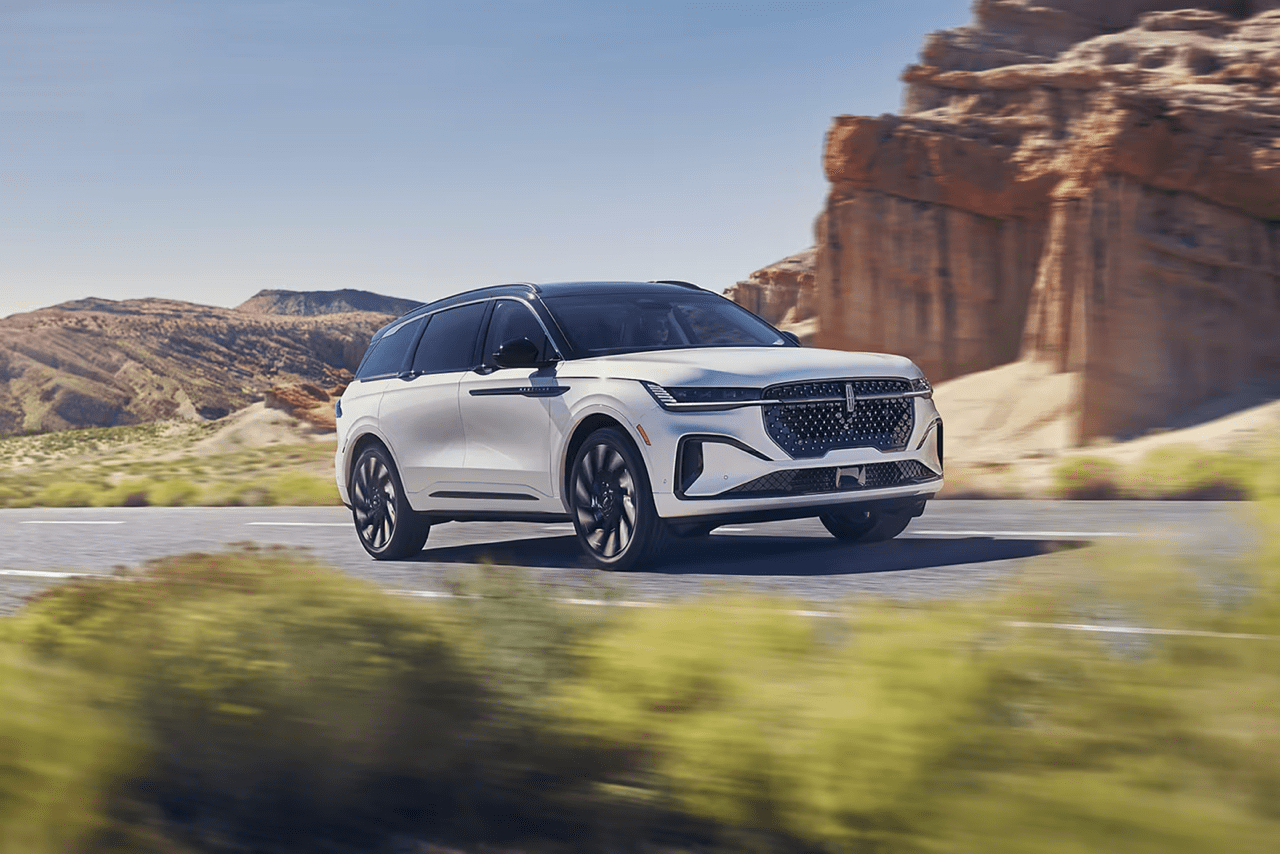
Which Lincoln SUV Gets the Best Gas Mileage?
The 2026 Lincoln Nautilus Hybrid leads the lineup in fuel economy at an EPA-estimated 29 MPG city, 31 MPG highway, and 30 MPG combined. Lincoln Aviator gas mileage is lower, but the Aviator offers three-row seating, more power, and stronger towing capability. Your best fit depends on whether efficiency or added space and performance matter more.
Lincoln Nautilus Hybrid
29 city / 31 highway / 30 combined MPG
Best for drivers who prioritize fuel efficiency, two-row comfort, and lower everyday fuel use.
Lincoln Aviator
Up to 18 city / 25 highway / 21 combined MPG
Best for drivers who want three rows, stronger performance, and greater towing capability. The Lincoln Aviator MPG ratings reflect a larger luxury SUV built to do more.
Compare Aviator Drivetrains in Savannah
Reading about Lincoln Aviator gas mileage helps narrow the options. A test drive shows how the power, ride, visibility, and cabin feel come together.
Visit J.C. Lewis Lincoln Savannah to compare RWD and AWD Aviator models, review current inventory, and explore available purchase or lease options. Our team can help you weigh Lincoln Aviator MPG against passenger space, towing needs, comfort features, and your everyday route.
Lincoln Aviator Gas Mileage FAQs
These quick answers cover common questions about Lincoln Aviator gas mileage, efficient driving, and how the Aviator compares with other Lincoln SUVs.
What is the estimated MPG for the Lincoln Aviator?
EPA-estimated 2026 Lincoln Aviator MPG is 18 city, 25 highway, and 21 combined with rear-wheel drive. All-wheel-drive models are rated at 17 city, 25 highway, and 20 combined. Actual results vary with traffic, weather, speed, maintenance, cargo, and driving habits.
How can I improve gas mileage on a Lincoln Aviator?
To improve Lincoln Aviator gas mileage, accelerate smoothly, maintain proper tire pressure, combine short trips, avoid unnecessary idling, remove unneeded cargo or roof accessories, and keep up with scheduled maintenance.
Track several fill-ups rather than relying on one trip. That provides a more accurate picture of your normal driving conditions.
Which Lincoln SUV offers the best gas mileage?
The 2026 Lincoln Nautilus Hybrid currently offers Lincoln’s strongest gasoline fuel-economy rating at an EPA-estimated 29 city, 31 highway, and 30 combined MPG. The Aviator trades some efficiency for a third row, greater power, and up to 5,000 pounds of available towing capacity when properly equipped.