Blog

Lincoln Phone as a Key: How It Works & Why Drivers Love It

Luxury isn’t just about leather seats and smooth rides anymore; it’s about convenience, innovation, and seamless integration with your everyday life. Lincoln understands this, which is why features like Lincoln Phone as a Key are changing the way drivers interact with their vehicles.

No more digging through your bag or patting your pockets for a key fob. With this advanced technology, your smartphone becomes your car key, giving you effortless access to your Lincoln and a more streamlined driving experience.

What Is Lincoln Phone as a Key?

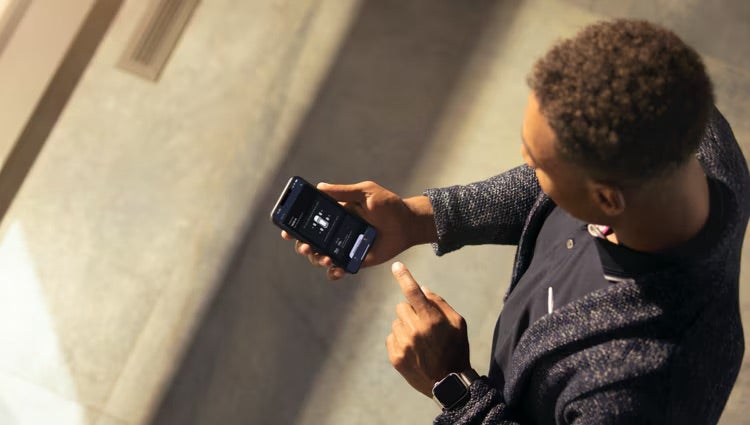
Lincoln Phone as a Key is a feature available on select Lincoln models that allows you to use your smartphone to lock, unlock, start, and drive your vehicle. Using the Lincoln Wayâ„¢ app, your phone communicates directly with your SUV, meaning your device is all you need to get behind the wheel.

Instead of juggling key fobs or worrying about leaving one behind, Lincoln Phone as a Key makes ownership easier by turning something you always have with you (your phone) into your vehicle’s command center.

Lincoln Phone as a Key Setup: How to Get Started

Setting up Lincoln Phone as a Key is straightforward, and once it’s complete, you’ll wonder how you ever lived without it.

Here’s how the Lincoln Phone as a Key setup process works:

  1. Download the Lincoln Way™ App – Available for iOS and Android, this is your gateway to Lincoln’s connected features.
  2. Pair Your Phone with Your Vehicle – Follow the in-app instructions to link your smartphone to your Lincoln.
  3. Activate Phone as a Key – Once paired, activate the feature to turn your device into a digital key.
  4. Enjoy Keyless Convenience – From then on, you can unlock, lock, start, and drive your Lincoln—all without a fob in your pocket.

Lincoln also provides backup entry methods, like a key code you can enter on the exterior keypad, ensuring peace of mind if your phone battery ever runs out.

Everyday Benefits of Lincoln Phone as a Key

Drivers love this feature because it’s not just convenient, it’s genuinely life-changing in daily use. Here’s why:

  • Hands-Free Access – Approach your Lincoln, and it recognizes your phone automatically, unlocking the doors for you.
  • Seamless Starts – No fumbling for a key fob—just step in and start driving.
  • Multiple Driver Support – Assign digital keys to family members or trusted drivers for easy sharing.
  • Less to Carry – With your phone as your key, your pocket or purse just got a little lighter.

This isn’t just luxury, it’s practical innovation that adapts to the way you live.

Models That Feature Lincoln Phone as a Key

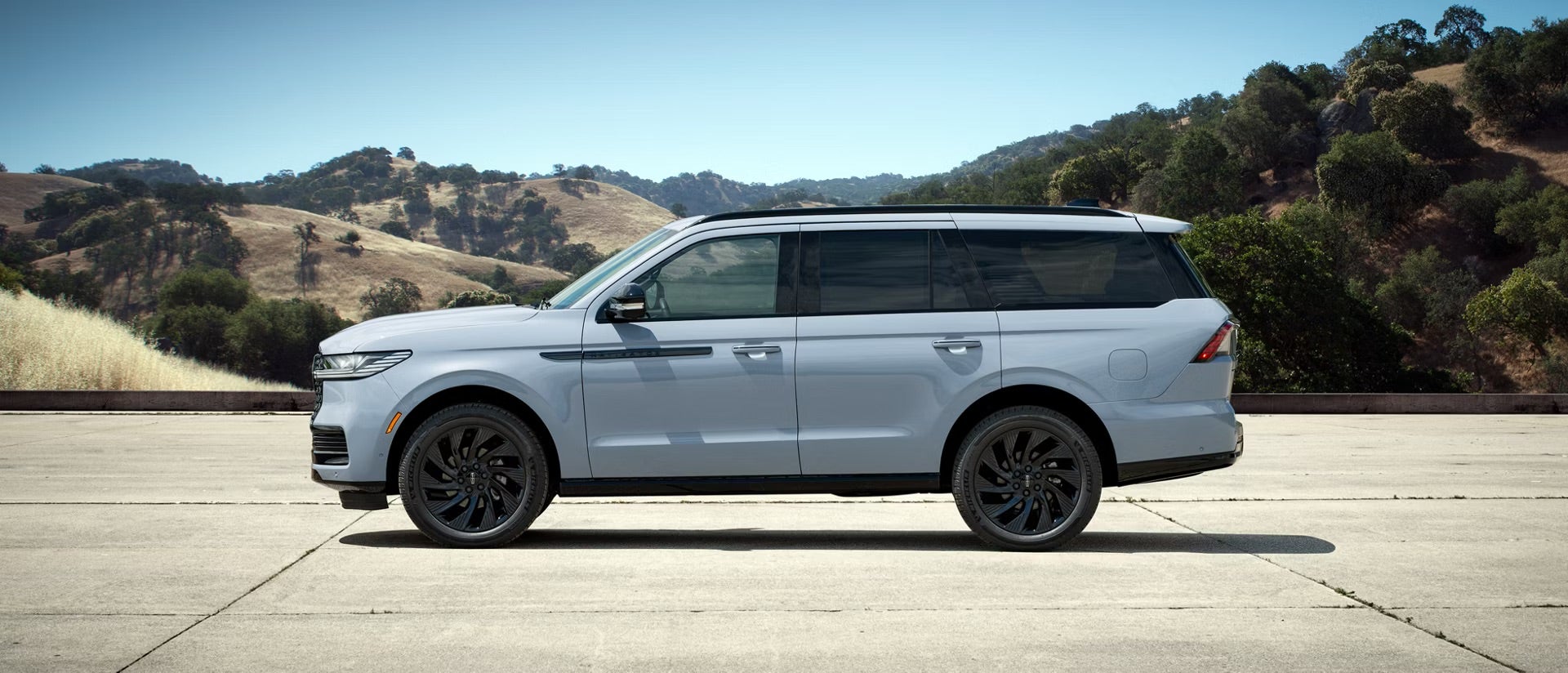
Lincoln has been rolling out this feature across its luxury SUV lineup, and it’s already available on models like the Lincoln Aviator and the Lincoln Navigator. Future models, including the latest Nautilus, are also expected to expand integration, ensuring more drivers can enjoy this cutting-edge convenience.

When you shop at J.C. Lewis Lincoln Savannah, our team can walk you through which trims include Lincoln Phone as a Key and help you with setup before you even leave the lot.

Why Drivers Love It

The response to Lincoln Phone as a Key has been overwhelmingly positive. Drivers appreciate the confidence of knowing they can always access their vehicle with their phone, and many report that they rarely, if ever, reach for their traditional key fob anymore.

It’s one of those features that, once you use it, becomes impossible to imagine living without—like remote start or power liftgates.

Lincoln Phone as a Key vs. Traditional Key Fobs

While traditional fobs offer reliability, setting up Lincoln Phone as a Key takes convenience to the next level:

  • Traditional Key Fob: Requires you to carry an extra item everywhere.
  • Phone as a Key: Consolidates your vehicle access into a device you already use constantly.

And with secure backup options like keypad entry and key cards, Lincoln ensures you’re never stranded without access.

Experience Lincoln Convenience at J.C. Lewis Lincoln Savannah

At J.C. Lewis Lincoln Savannah, we’re passionate about helping drivers experience the latest in luxury technology. Whether you’re considering the versatile Aviator or the commanding Navigator, we’ll show you how Lincoln Phone as a Key works in real time and help you complete the setup so you’re ready to enjoy keyless convenience from day one.

Luxury should feel effortless, and with features like Lincoln Phone as a Key, it finally does. Stop by today to test drive a Lincoln SUV equipped with the latest tech and discover why drivers are falling in love with the future of convenience.

Recommended Posts

Dodge Super Bee steering wheel

The History of the Dodge Super Bee: From 1968 to 2027

Few names in American performance history generate as much excitement as the Dodge Super Bee. Introduced during the height of the muscle-car era, the Super Bee combined serious power, unmistakable graphics, and a deliberately straightforward formula: give drivers the equipment they need to go fast without loading the car with unnecessary luxury. That formula has evolved considerably since 1968. The Super Bee began as a Dodge Coronet, moved to the Charger platform, disappeared for decades, and eventually returned as a modern performance sedan. For 2027, it enters another new era with twin-turbo power, standard all-wheel drive, and the highest horsepower rating ever attached to the badge. Here is how the Dodge Super Bee travelled from the drag strips of the 1960s to the new-generation Charger. 1968: The Original Dodge Super Bee Arrives Dodge introduced the Super Bee for the 1968 model year as a performance-focused version of the Coronet. It was developed as Dodge’s answer to the Plymouth Road Runner: an attainable intermediate muscle car that prioritized acceleration and attitude over luxury. The original car’s name was inspired by Chrysler’s B-body platform, while its cartoon bee mascot gave it one of the most memorable badges of the muscle-car era. A 383-cubic-inch Magnum V8 was standard, producing a factory-rated 335 horsepower. Buyers looking for considerably more sting could order the legendary 426 HEMI V8, rated at 425 horsepower. Available manual and automatic transmissions helped make the Super Bee appealing to both weekend racers and everyday performance enthusiasts. Its defining ingredients were already in place: Powerful V8 engines Rear-wheel drive Heavy-duty suspension and braking components Bold stripes and Super Bee graphics A relatively simple, performance-first cabin That combination established the identity Dodge continues to reference today. 1969 Dodge Super Bee: The Legend Grows The 1969 Dodge Super Bee expanded the model’s appeal with updated styling and an available two-door hardtop body. More importantly, it introduced one of the most famous powertrain packages of the classic muscle-car period. Partway through the model year, Dodge released the A12 package with a 440-cubic-inch V8 and three two-barrel carburetors. Known as the 440 Six Pack, the engine carried a factory rating of 390 horsepower and delivered immense low-end torque. A12 cars also received performance equipment such as a lift-off fiberglass hood, heavy-duty suspension components, larger brakes, and a Dana 60 rear axle on four-speed versions. Their combination of rarity, distinctive appearance, and quarter-mile capability makes authentic A12 Super Bees especially desirable today. Approximately 27,800 Super Bees were built for the 1969 model year. 1970: A More Aggressive Coronet Super Bee For 1970, the Coronet received dramatic new styling with a split grille and wraparound front bumper. The Dodge Super Bee continued to offer the 383 Magnum, 440 Six Pack, and 426 HEMI. Optional equipment included the Ramcharger fresh-air induction system, while unmistakable rear graphics ensured the car was easy to identify. This was also the final year in which the original Super Bee was based on the Coronet. Today, surviving 1970 models—particularly documented Six Pack and HEMI cars—are among the most recognizable Dodge muscle cars of their generation. 1971: The First Dodge Charger Super Bee Dodge restructured the Coronet lineup for 1971, and the Super Bee became part of the redesigned Charger family. This created the first factory Dodge Charger Super Bee. The Charger-based car retained the budget-performance philosophy of its predecessors. Engine availability included the 340 small-block V8 along with big-block choices, including the 383, 440 Six Pack, and extremely rare 426 HEMI. Changing insurance costs, emissions requirements, and market conditions were beginning to reshape the muscle-car segment. After the 1971 model year, the Dodge Super Bee disappeared from Dodge’s North American lineup. The original four-year run was over, but its reputation continued to grow. 2007–2009: The Dodge Super Bee Returns More than three decades later, Dodge revived the badge on the four-door Charger SRT8. The 2007 Dodge Charger SRT8 Super Bee used a 6.1-liter HEMI V8 producing 425 horsepower. Detonator Yellow paint, black graphics, numbered plaques, Brembo brakes, and SRT-tuned chassis hardware helped connect the modern car to its 1960s predecessor. Additional limited-production versions followed, including a B5 Blue model for 2008 and a HEMI Orange version for 2009. These cars established a new Super Bee template: modern Charger comfort paired with HEMI power and unmistakable heritage styling. 2012–2014: The 392 HEMI Era The Dodge Super Bee returned again for 2012 as a more focused member of the Charger SRT8 lineup. A 6.4-liter—or 392-cubic-inch—HEMI V8 produced 470 horsepower and 470 lb-ft of torque. Dodge reduced some of the premium features found in the fully equipped Charger SRT8, allowing the Dodge Super Bee to return to its original role as a more direct, performance-first alternative. The package continued through the 2014 model year with bold colors, distinctive rear graphics, embroidered seats, Brembo brakes, and performance-tuned suspension. 2023 Dodge Charger Super Bee: The Last Call Collector Car The next revival came as part of Dodge’s “Last Call” series, which commemorated the end of the previous-generation HEMI-powered Charger and Challenger. The 2023 Dodge Charger Super Bee used a naturally aspirated 6.4-liter 392 HEMI V8 producing 485 horsepower and 475 lb-ft of torque. Power went to the rear wheels through an eight-speed automatic transmission. This edition was designed with the drag strip in mind. Its equipment included: Adaptive damping suspension with Drag Mode Factory drag radial tires Knurled wheels designed to help prevent tire slip on hard launches An SRT hood with a functional scoop and heat extractors Mopar hood pins Brembo brakes Model-specific badges and graphics Production was limited to 1,000 cars. Dodge planned 500 standard-body Scat Pack models in B5 Blue and 500 Scat Pack Widebody models in Plum Crazy. That small production run and its status as a HEMI-powered Last Call model give the 2023 Super Bee genuine collector appeal. 2027 Dodge Charger Super Bee: A New Kind of Muscle The Dodge Super Bee returns once more for 2027, but this time it represents a major technical departure. The 2027 Dodge Charger Super Bee Launch Edition is the first Super Bee based on the new-generation Charger platform. Instead of a naturally aspirated HEMI V8, it uses a high-output 3.0-liter twin-turbocharged SIXPACK inline-six with an SAE-certified 600 horsepower. That is 115 more horsepower than the 2023 Super Bee, making the new model the most powerful production Super Bee yet. Dodge’s announced performance figures include: 600 horsepower 3.6-second estimated 0–60-mph time 11.8-second estimated quarter-mile time Standard all-wheel drive Driver-selectable rear-wheel drive The ability to switch from AWD to RWD gives the car all-weather traction while preserving the rear-drive behaviour enthusiasts expect from a Dodge muscle car. Other performance equipment includes larger turbochargers, heavy-duty cooling, launch control, six-piston front and four-piston rear Brembo brakes, performance aerodynamics, and available dual-valve adaptive damping. An available Track Package adds further circuit-focused equipment, including the Drive eXperience Recorder. Visually, the new Dodge Super Bee continues the tradition with signature graphics, special badging, gloss-black wheels, a rear performance spoiler, bright brake calipers, and yellow interior stitching. Most importantly, it represents Dodge’s effort to prove that the twin-turbo SIXPACK engine can carry the muscle-car torch. The sound and character may differ from a classic HEMI, but the performance numbers place the 2027 car firmly at the top of the Super Bee family tree. Dodge Super Bee Performance Through the Years Model Engine Horsepower 1968 Super Bee 383 Magnum V8 335 hp 1968–1971 HEMI models 426 HEMI V8 425 hp 1969 A12 Dodge Super Bee 440 Six Pack V8 390 hp 2007–2009 Charger SRT8 Super Bee 6.1L HEMI V8 425 hp 2012–2014 Charger SRT Super Bee 6.4L 392 HEMI V8 470 hp 2023 Charger Super Bee 6.4L 392 HEMI V8 485 hp 2027 Charger Super Bee 3.0L twin-turbo SIXPACK inline-six 600 hp Ready to Find Your Ultimate Dodge Super Bee for Sale? Finding a Dodge Super Bee for sale can take patience. Classic models are now valuable collector cars, while modern limited editions such as the 2007–2009 and 2023 versions do not appear on the market often. The 2027 Dodge Charger Super Bee is expected to become available in limited Launch Edition production, with announced U.S. availability beginning in mid-2027. Pricing, allocation, and arrival timing may differ. Contact Murray Chrysler Dodge Jeep Ram in Starke, Florida to ask about Charger availability, potential Super Bee allocation, or used performance vehicles currently in inventory. Our team can also help you compare the new SIXPACK-powered Charger with earlier HEMI-powered models. Frequently Asked Questions What is a Dodge Super Bee? The Dodge Super Bee is a performance-focused muscle car first introduced in 1968. It began as a version of the Dodge Coronet before moving to the Charger lineup. Although its engines and technology have changed, Super Bee models traditionally emphasize power, bold graphics, and equipment intended for drag-strip or track performance. How many 1969 Dodge Super Bees were made? Approximately 27,800 Dodge Coronet Super Bees were built for the 1969 model year. Published figures can vary because some sources count different markets or body styles separately. Of those cars, only a small portion received the desirable A12 440 Six Pack package. What type of engine did the Dodge Super Bee have? That depends on the model year. Early Super Bees offered several V8 engines, including the 383 Magnum, 440 Six Pack, and 426 HEMI. Modern versions used 6.1-liter and 6.4-liter HEMI V8s. The 2027 Charger Super Bee introduces a 600-horsepower 3.0-liter twin-turbo SIXPACK inline-six. What years did Dodge make the Super Bee? In the North American market, Dodge offered the original Super Bee from 1968 through 1971. The badge returned on Charger models for 2007–2009, 2012–2014, and 2023. A new-generation Dodge Charger Super Bee is returning for the 2027 model year. Dodge also sold a separate Mexican-market Super Bee on various compact platforms during the 1970s. How much is a Dodge Super Bee? The price depends heavily on the year, condition, originality, engine, documentation, and rarity. A standard modern used model and a documented classic HEMI or A12 car can occupy completely different price ranges. Dodge had not announced final 2027 Super Bee pricing at the time of writing. Contact Murray Chrysler Dodge Jeep Ram for the latest pricing and availability information.

blue Nautilus

2026 Lincoln Nautilus BlueCruise: How Hands-Free Driving Works

Hands-free driving sounds futuristic until the steering wheel is actually moving while your hands are resting in your lap. That experience is now part of every 2026 Lincoln Nautilus. For 2026, Lincoln equips all Nautilus trims with BlueCruise, including Automatic Lane Change and In-Lane Repositioning, plus four years of service included. The system can steer, accelerate, and brake on eligible divided highways while you keep your eyes on the road. The important distinction is right there: hands-free does not mean attention-free. BlueCruise Takes Over the Repetitive Parts, Not Your Responsibility When BlueCruise is active in an approved Hands-Free Blue Zone, the system can manage lane centering, steering, acceleration, and braking. That means the 2026 Lincoln Nautilus can maintain its lane and respond to traffic without requiring you to keep your hands on the steering wheel every second. A driver-facing infrared camera watches your eye gaze and head position to make sure your attention stays on the road. If the system determines you need to take control, the instrument cluster lets you know. That’s what makes Lincoln BlueCruise different from simply turning on adaptive cruise control. It adds hands-free capability, but you’re still the driver and need to be ready to respond. The Highway Has to Be a Blue Zone You can’t activate hands-free driving on every road. Lincoln says BlueCruise operates on 97% of controlled-access highways across the U.S. and Canada in mapped areas called Hands-Free Blue Zones. When the 2026 Lincoln Nautilus enters an eligible area and the conditions are appropriate, the display shows a steering-wheel graphic along with a “Hands-Free” indication. That’s your cue that you can remove your hands while continuing to watch the road. Leave the Blue Zone or encounter conditions where hands-free operation isn’t appropriate, and the system tells you to put your hands back on the wheel. For Savannah drivers heading out on longer highway trips toward Jacksonville, Bluffton, Hilton Head, or beyond, that can turn a long stretch of interstate into a more relaxed experience without removing the driver from the equation. Automatic Lane Change Makes Highway Driving Feel Less Mechanical The 2026 Lincoln Nautilus gets more than basic hands-free lane centering. BlueCruise includes Automatic Lane Change and In-Lane Repositioning. Lincoln lists both as part of the four-year included system on every 2026 Nautilus trim. Lane-change capability helps reduce some of the repeated steering input that comes with passing slower traffic. In-Lane Repositioning can subtly adjust the Nautilus within its lane to create more comfortable spacing from vehicles in adjacent lanes. That last feature is easy to underestimate until you’re driving beside a semi. These refinements help Lincoln BlueCruise feel less like a car rigidly following the center of a lane and more like an advanced highway-driving assistant working around real traffic. The Car Is Watching to Make Sure You Are Too Here’s the part that surprises some first-time users. BlueCruise doesn’t care whether your hands are on the steering wheel during hands-free operation, but it absolutely cares where you’re looking. The infrared driver-facing camera tracks eye gaze and head position. If your attention wanders, the system can issue visual prompts telling you to refocus or resume control. That monitoring is a key part of how hands-free driving works in the 2026 Lincoln Nautilus. You can relax your grip. You can’t start treating the driver’s seat like a passenger seat. Lincoln explicitly describes BlueCruise as a driver-assist feature, not a replacement for attention, judgment, or the ability to control the vehicle. Four Years Included Changes the Ownership Equation Some advanced driving technologies sound great until you discover they require another subscription almost immediately. The 2026 Lincoln Nautilus comes with four years of BlueCruise included on every trim, from Premiere through Reserve and Lincoln Black Label. That matters because it gives you time to use the system in everyday life instead of evaluating it during a short trial. Commutes, I-95 road trips, airport runs, and longer weekends all give you a chance to decide how much the technology changes your driving routine. It also means BlueCruise isn’t reserved for the most expensive Nautilus configuration. Lincoln lists it as standard equipment on the 2026 Premiere and Reserve as well. It Fits the Nautilus Better Than You Might Expect Hands-free highway technology makes particular sense in a vehicle already built around reducing stress. The 2026 Lincoln Nautilus pairs its driver-assistance technology with a standard 48-inch panoramic display, an 11.1-inch center display, Lincoln Digital Experience, available massage seating, and a cabin designed around quiet, comfortable travel. Lincoln BlueCruise adds another layer to that idea. It doesn’t make the highway disappear. It reduces some of the constant steering, speed adjustment, and lane-position work that makes long interstate drives tiring. That’s a more useful way to think about the technology than simply calling it “self-driving,” because it isn’t. Try Hands-Free Driving From the Driver’s Seat This is one feature that’s much easier to understand after you’ve experienced it. J.C. Lewis Lincoln in Savannah currently lists new 2026 Nautilus models in inventory, including Premiere and Reserve examples. Availability changes as vehicles arrive and sell. Explore our current 2026 Lincoln Nautilus inventory, then talk with our team about how BlueCruise works, where hands-free operation is available, and what the dashboard indicators look like before you head onto the highway. The clever part of hands-free driving isn’t that you can let go of the wheel. It’s that the Nautilus can take some of the repetition out of highway travel while still keeping you exactly where you belong: in charge of the drive.

2027 Lincoln Navigator

Lincoln Navigator Dimensions: Is It the Right Size for Your Family?

A full-size luxury SUV sounds great until you start wondering about the practical stuff. Will it fit in the garage? Is the third row actually useful? Can you pack everyone’s luggage without playing cargo-area Tetris? That’s where the Lincoln Navigator dimensions matter. For families around Savannah and the Lowcountry, the Navigator offers serious passenger room with two body lengths to choose from. The standard Navigator gives you the space of a full-size SUV without going all-in on maximum Lincoln Navigator length, while the Navigator L adds nearly a foot of extra vehicle behind it for families who regularly travel with a full cabin and plenty of gear. First Things First: How Big Is a Lincoln Navigator? The standard 2026 Navigator measures 210 inches long, 80 inches wide without the mirrors, and 78 inches tall. The Navigator L stretches to 221.9 inches long, while width and height stay the same. The biggest difference in the Lincoln Navigator dimensions comes down to overall length and wheelbase. Measurement Navigator Navigator L Length 210 in. 221.9 in. Wheelbase 122.5 in. 131.5 in. Height 78 in. 78 in. Width without mirrors 80 in. 80 in. Width with mirrors 94.6 in. 94.6 in. For shoppers comparing Lincoln Navigator length, the L is 11.9 inches longer than the standard model. That difference is worth considering if you have a shorter garage, use tight parking spaces, or spend time driving through crowded downtown areas. The Extra Length Goes Where Families Want It The biggest difference between the standard Navigator and Navigator L isn’t passenger room. It’s what happens behind the seats. The larger Lincoln Navigator dimensions of the L give families more room for luggage, sports gear, strollers, coolers, and everything else that tends to come along for the ride. Cargo Space Makes the L Stand Out With all three rows in use, Lincoln Navigator trunk space measures 21.6 cubic feet in the standard model and 36.1 cubic feet in the Navigator L. Fold the third row, and cargo capacity grows to 60.8 cubic feet in the Navigator and 75.4 cubic feet in the L. With the rear seating folded, maximum space reaches 107 and 121.6 cubic feet, respectively. Those Lincoln Navigator dimensions can make a noticeable difference when every seat is occupied and everyone brought a bag. Three Rows That Actually Work for Families Some SUVs technically offer a third row, but using it regularly is another story. The Navigator gives families something much more practical. The Lincoln Navigator seating capacity is seven in its standard configuration, with seating for up to eight depending on equipment. Both body styles offer 172.1 cubic feet of passenger volume. Inside, the Lincoln Navigator dimensions include 40.9 inches of second-row legroom, with up to 42 inches available when the seat is moved rearward, plus 36.5 inches in the third row. That means the back row doesn’t automatically have to go to the smallest passenger. Standard Navigator or Navigator L? For most shoppers, this decision comes down to how much cargo room they need and how large they want their SUV to feel every day. At 210 inches, the standard Lincoln Navigator length gives you full-size SUV space while keeping the overall footprint a little easier to manage. The Navigator L stretches to 221.9 inches, and its larger Lincoln Navigator dimensions make the most sense for families who regularly fill all three rows and still need plenty of room behind them. Will It Fit Your Garage and Parking Routine? Before choosing the longer model, think beyond passenger and cargo space. Measure your garage. Consider the parking decks you use around Savannah. Think about school pickup lines, tighter shopping-center spaces, and how often you parallel park. That extra Lincoln Navigator length may be completely worth it for your family, especially if you regularly need more cargo room or travel with a full cabin. Nearly 12 extra inches feels much more meaningful when you’re pulling into your own garage. Which Size Fits Your Family Better? The standard Navigator is a strong fit if you want generous passenger space, three usable rows, and substantial cargo room without choosing the longest version available. Navigator L makes more sense if vacations, youth sports, airport runs, or big family weekends regularly fill both the seats and the cargo area. If you often travel with every row occupied, compare Lincoln Navigator trunk space with all the seats in use instead of focusing only on maximum cargo capacity with the rows folded. The good news is that the Lincoln Navigator dimensions give you two genuinely useful choices. You’re not deciding between roomy and cramped. You’re deciding how much extra space your family will realistically use. Big Enough for the Crew, Right-Sized for Your Life The best full-size SUV isn’t necessarily the biggest one. It’s the one that gives your family the space you’ll actually use. At J.C. Lewis Lincoln, we can help you explore the Lincoln Navigator dimensions in person and see how the standard Navigator and Navigator L feel from behind the wheel, in the second and third rows, and with the cargo area loaded for real life. Our team can also help you compare Lincoln Navigator length side by side, which makes the nearly 12-inch difference between the two body styles much easier to judge. If Lincoln Navigator seating capacity is a priority, get in touch. We can help you find the configuration that fits the number of passengers you regularly bring along. Explore our entire Lincoln Navigator inventory to see what’s available, then visit J.C. Lewis Lincoln in Savannah to compare both sizes in person. Bring the family, the car seats, or even your garage measurements and find the Navigator that fits your life.