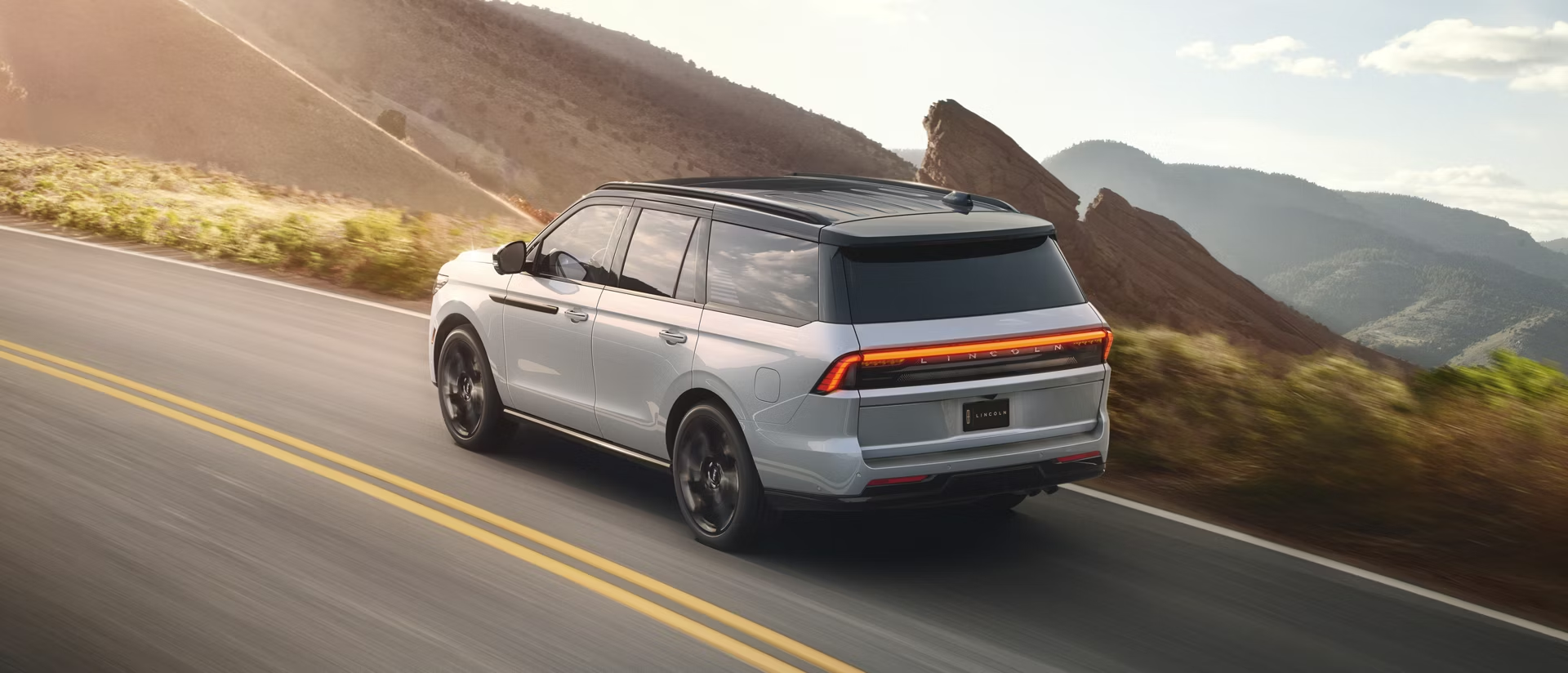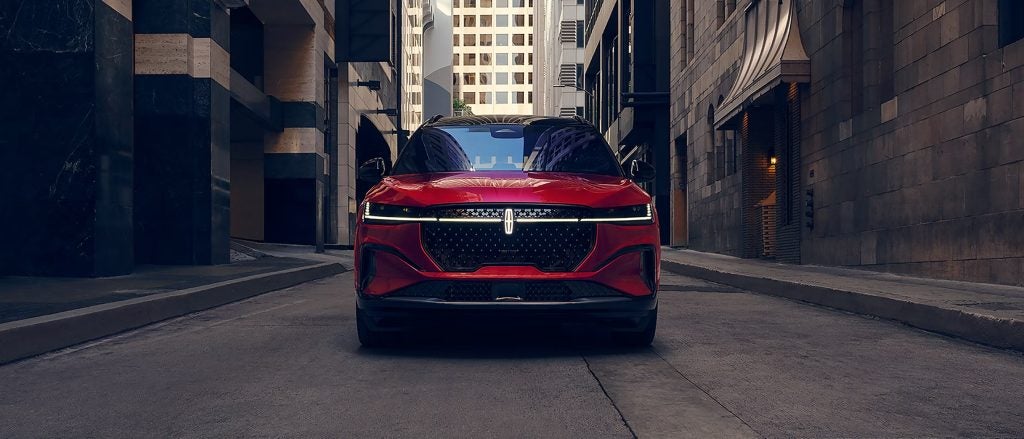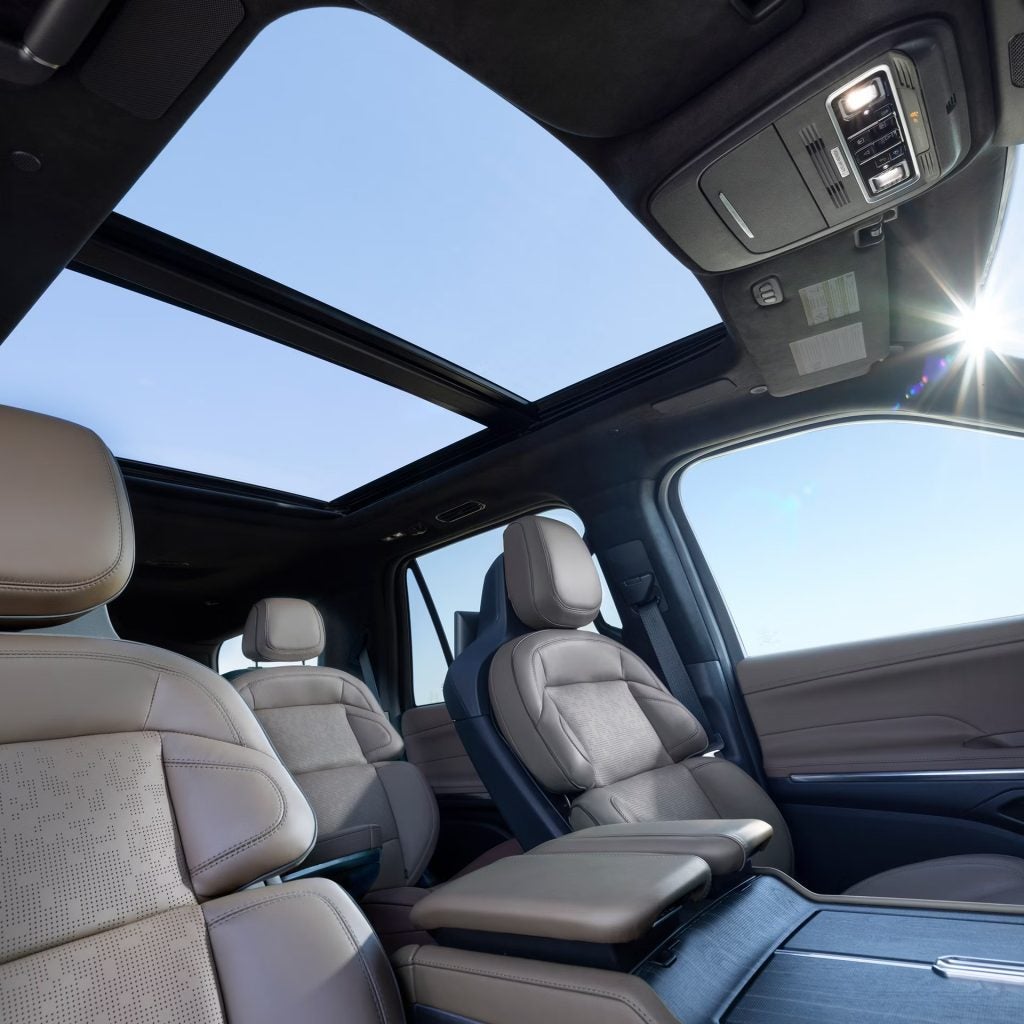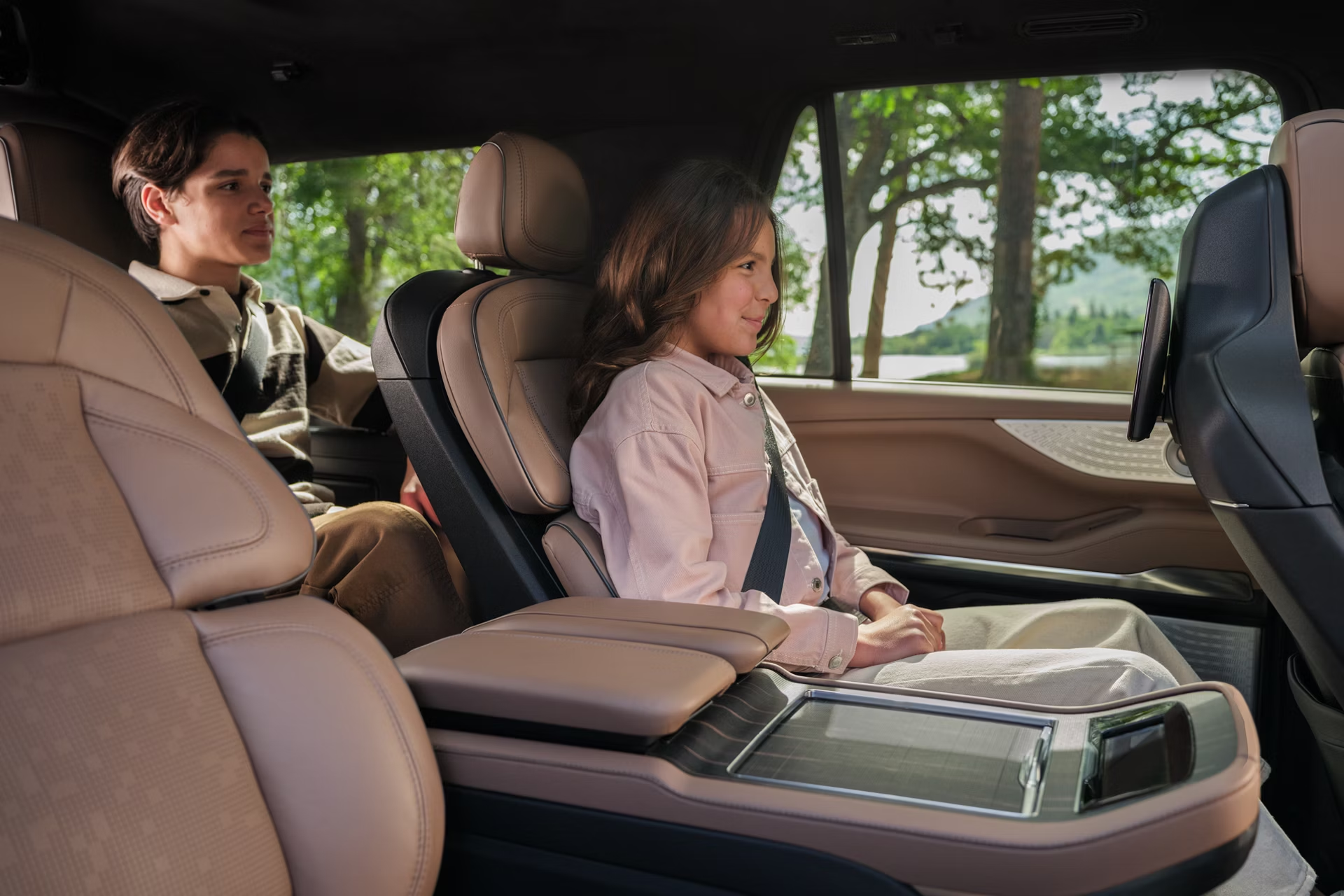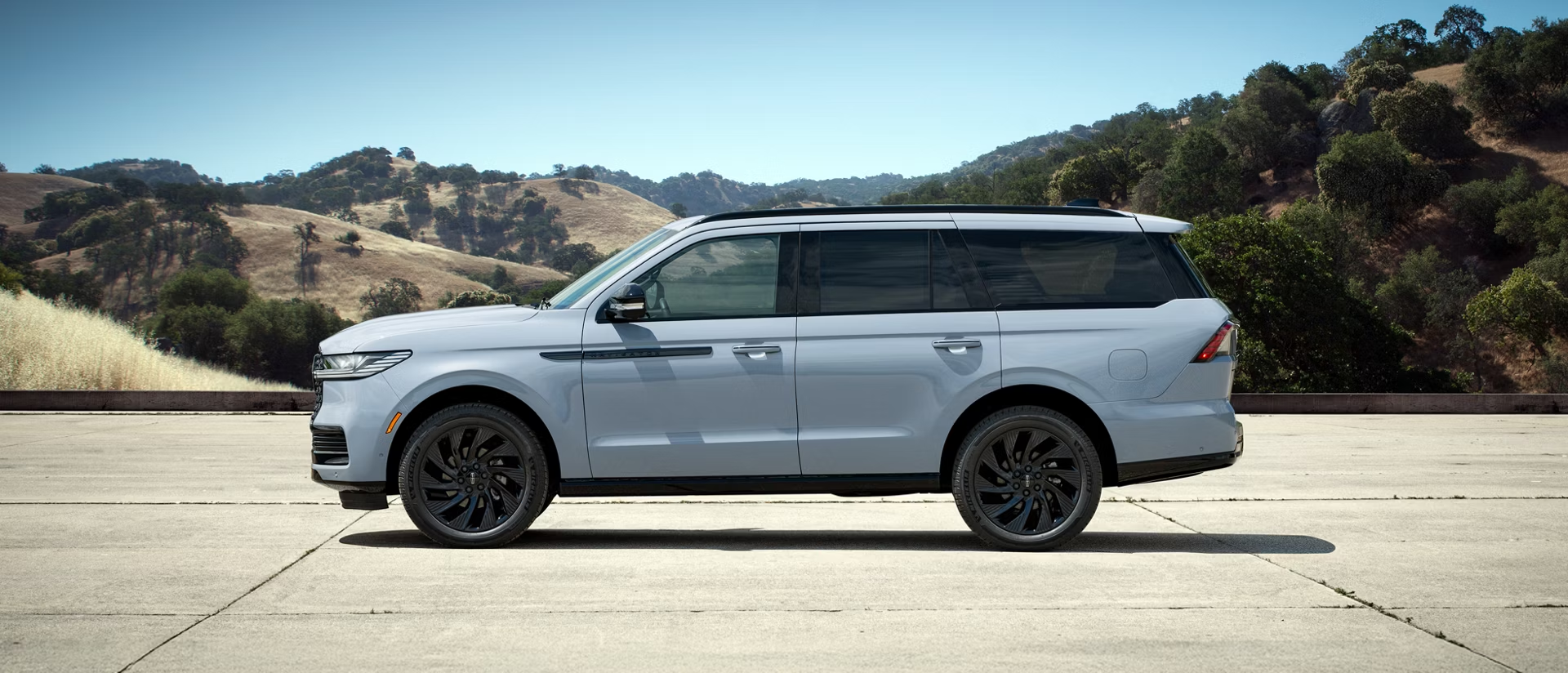


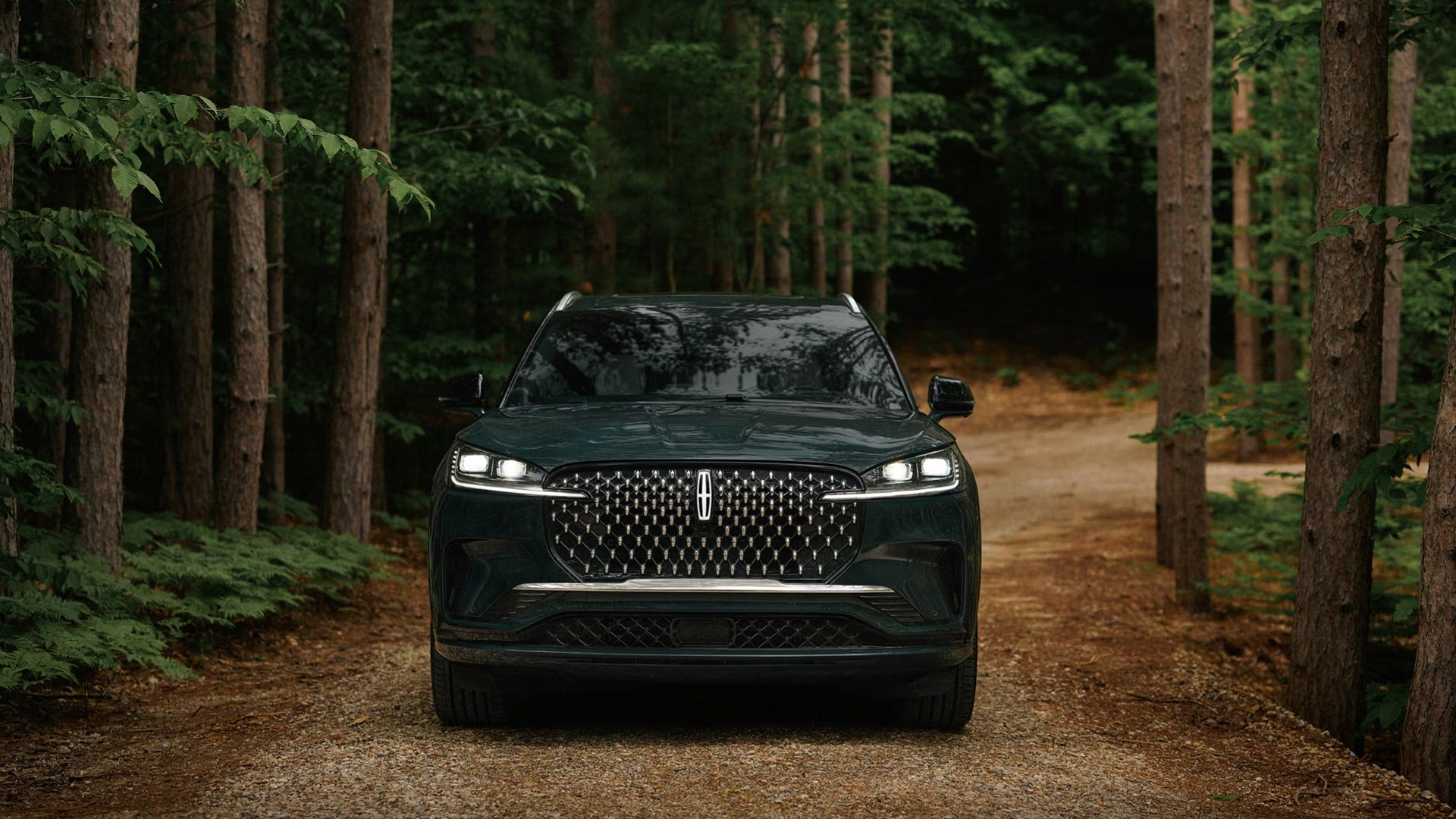
The difference between two luxury trims can look small on a build sheet and feel much bigger once you’re sitting inside. That’s especially true with Lincoln Aviator Premiere vs. Reserve. Both give you the same strong twin-turbo V6, three-row versatility, hands-free highway driving technology, and distinctly Lincoln approach to comfort. The real question is whether Reserve adds enough everyday luxury to justify moving up. For Savannah drivers, the answer comes down less to performance and more to how refined you want the Aviator to feel. What Is the Difference Between Lincoln Aviator Premiere and Reserve? Start with what doesn’t change. Both 2027 Aviator models use a 3.0L twin-turbocharged V6 producing 400 horsepower and 415 lb-ft of torque. Both also come with a 10-speed automatic transmission, adaptive suspension, Lincoln Co-Pilot360® Drive 2.0, second-row captain’s chairs, and four years of included Lincoln BlueCruise service. So, Lincoln Aviator Premiere vs. Reserve isn’t a choice between two levels of engine performance. Reserve builds on Premiere by adding more upscale materials and convenience features as standard, while opening the door to some of the Aviator’s more indulgent options. Premiere Already Starts With Plenty of Luxury Premiere isn’t a stripped-down entry model. It comes standard with Lincoln Soft Touch seating surfaces, heated front seating, a heated steering wheel, tri-zone climate control, second-row captain’s chairs, a PowerFold® third row, a 13.2-inch center display, a 360-degree camera, and a 14-speaker Revel® audio system. In the Lincoln Aviator Premiere vs. Reserve decision, that makes Premiere a strong choice for shoppers who want the Aviator experience without necessarily paying for every premium upgrade. You’re still getting three rows, serious V6 power, Lincoln Digital Experience technology, and BlueCruise. If those are the features you care about most, Premiere may already hit the sweet spot. Aviator Reserve Makes the Cabin Feel More Special The biggest argument for Aviator Reserve happens once you open the doors. Reserve upgrades to premium leather seating surfaces in the first and second rows. It also adds standard Ambient Lighting, quad-zone automatic climate control, a Panoramic Vista Roof®, power tilt-and-telescoping steering column with memory, an Advanced Head-Up Display, and heated and ventilated front seats. Those aren’t dramatic changes to how the SUV drives, but in the Lincoln Aviator Premiere vs. Reserve decision, they can make a noticeable difference in how the cabin feels every day. For someone commuting through Savannah traffic, taking clients to dinner, or spending hours on I-95, the Aviator Reserve upgrade is really about making more of those small comfort details standard. Reserve Also Gives You More Room to Upgrade Reserve becomes even more appealing if you plan to check some option boxes. An available Luxury Package can add Perfect Position front seats with 30-way adjustability and Active Motion® massage. Reserve can also be equipped with heated and ventilated second-row outboard seats and a 28-speaker Revel® Ultima 3D Audio System. There’s also an available Dynamic Handling Package with Air Glide Suspension, which can adjust vehicle height depending on the selected Lincoln Drive Mode. The available Illumination Package adds touches such as an illuminated Lincoln Star and Adaptive Pixel LED headlamps. That gives Lincoln Aviator Premiere vs. Reserve another dividing line: Premiere covers the luxury essentials well, while Reserve gives you more ways to build an Aviator around comfort and refinement. What About Seating for the Family? Both trims come standard with second-row captain’s chairs and seating for six. Reserve, however, offers an available second-row bench that can increase capacity to seven passengers. Its available heated and ventilated second-row seats can also make the upgrade more appealing if adults or older kids regularly ride in back. If your Aviator will spend a lot of time handling family trips around Savannah, Pooler, or the Georgia coast, those second-row details may matter more than they initially seem. Premiere or Reserve? Pick Where You Want the Luxury That’s the clearest way to look at the new Lincoln Aviator Premiere vs. Reserve. You aren’t paying Reserve money for a faster Aviator. You’re paying for an Aviator that feels more elevated every time you get inside. Choose Premiere if you want the Aviator’s 400-horsepower V6, three rows, BlueCruise, strong standard technology, and Lincoln comfort without stepping into every premium feature. Choose Aviator Reserve if leather seating, a panoramic roof, four-zone climate control, richer cabin details, and access to higher-end comfort options are high on your list. Experience Both at J.C. Lewis Lincoln Savannah With Lincoln Aviator Premiere vs. Reserve, the differences are easier to understand when you can sit in both SUVs instead of scrolling through equipment lists. At J.C. Lewis Lincoln Savannah, our team can walk you through Premiere and Aviator Reserve models, show you which features come standard or depend on packages, and help you decide which level of luxury fits how you’ll actually use your SUV. Visit us at 9505 Abercorn Street in Savannah or get in touch today. Still asking, “What is the difference between Lincoln Aviator Premiere and Reserve?” Explore our current Aviator inventory and feel the upgrade for yourself.
Lincoln Navigator Dimensions: Is It the Right Size for Your Family?
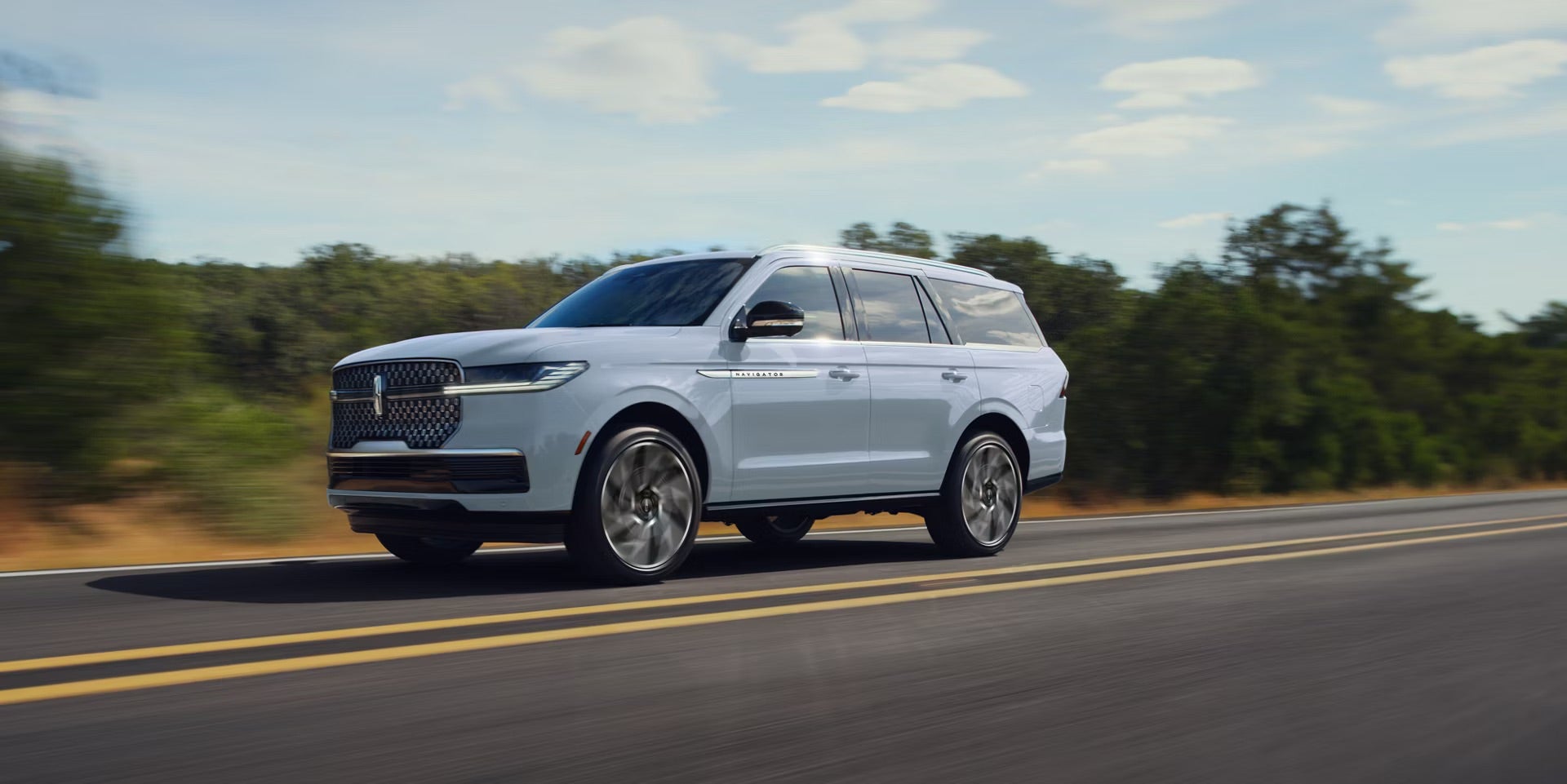
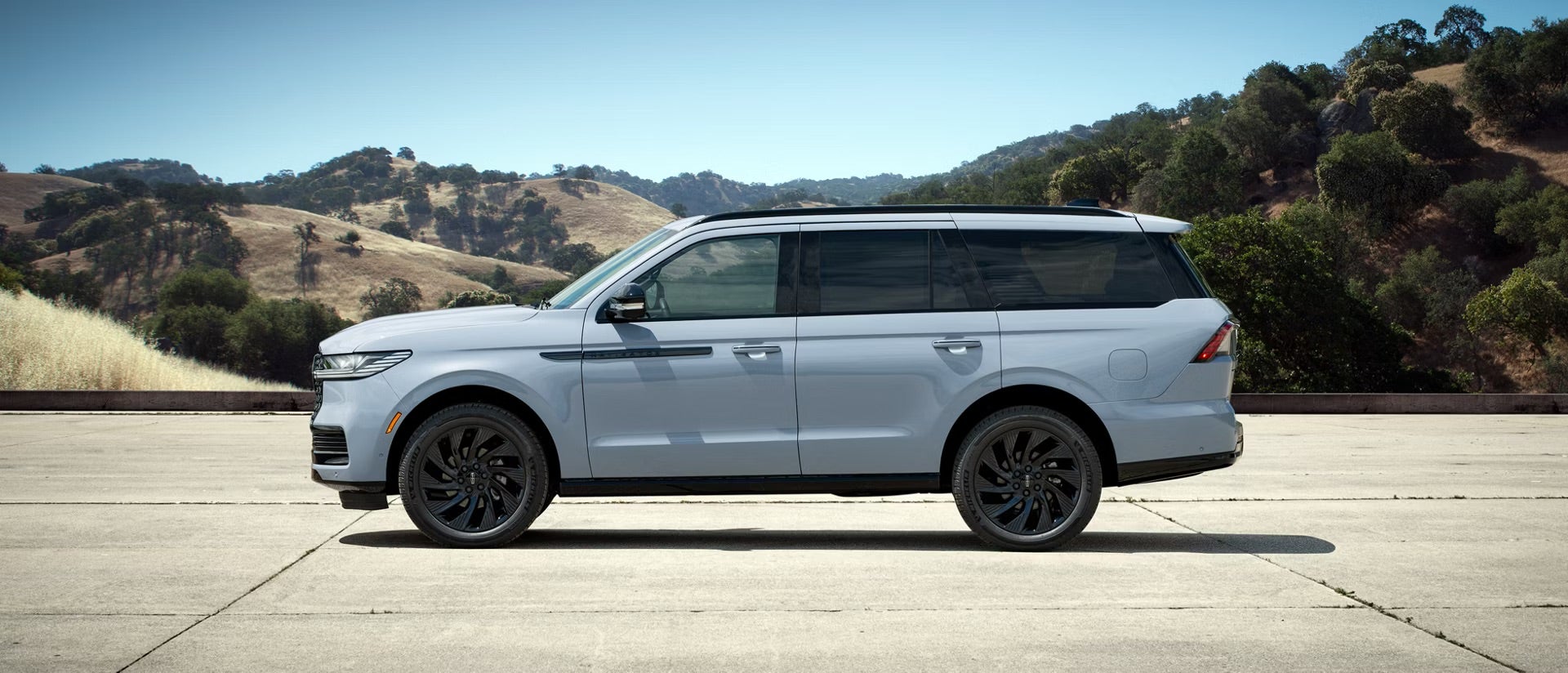
A full-size luxury SUV sounds great until you start wondering about the practical stuff. Will it fit in the garage? Is the third row actually useful? Can you pack everyone’s luggage without playing cargo-area Tetris? That’s where the Lincoln Navigator dimensions matter. For families around Savannah and the Lowcountry, the Navigator offers serious passenger room with two body lengths to choose from. The standard Navigator gives you the space of a full-size SUV without going all-in on maximum Lincoln Navigator length, while the Navigator L adds nearly a foot of extra vehicle behind it for families who regularly travel with a full cabin and plenty of gear. First Things First: How Big Is a Lincoln Navigator? The standard 2026 Navigator measures 210 inches long, 80 inches wide without the mirrors, and 78 inches tall. The Navigator L stretches to 221.9 inches long, while width and height stay the same. The biggest difference in the Lincoln Navigator dimensions comes down to overall length and wheelbase. Measurement Navigator Navigator L Length 210 in. 221.9 in. Wheelbase 122.5 in. 131.5 in. Height 78 in. 78 in. Width without mirrors 80 in. 80 in. Width with mirrors 94.6 in. 94.6 in. For shoppers comparing Lincoln Navigator length, the L is 11.9 inches longer than the standard model. That difference is worth considering if you have a shorter garage, use tight parking spaces, or spend time driving through crowded downtown areas. The Extra Length Goes Where Families Want It The biggest difference between the standard Navigator and Navigator L isn’t passenger room. It’s what happens behind the seats. The larger Lincoln Navigator dimensions of the L give families more room for luggage, sports gear, strollers, coolers, and everything else that tends to come along for the ride. Cargo Space Makes the L Stand Out With all three rows in use, Lincoln Navigator trunk space measures 21.6 cubic feet in the standard model and 36.1 cubic feet in the Navigator L. Fold the third row, and cargo capacity grows to 60.8 cubic feet in the Navigator and 75.4 cubic feet in the L. With the rear seating folded, maximum space reaches 107 and 121.6 cubic feet, respectively. Those Lincoln Navigator dimensions can make a noticeable difference when every seat is occupied and everyone brought a bag. Three Rows That Actually Work for Families Some SUVs technically offer a third row, but using it regularly is another story. The Navigator gives families something much more practical. The Lincoln Navigator seating capacity is seven in its standard configuration, with seating for up to eight depending on equipment. Both body styles offer 172.1 cubic feet of passenger volume. Inside, the Lincoln Navigator dimensions include 40.9 inches of second-row legroom, with up to 42 inches available when the seat is moved rearward, plus 36.5 inches in the third row. That means the back row doesn’t automatically have to go to the smallest passenger. Standard Navigator or Navigator L? For most shoppers, this decision comes down to how much cargo room they need and how large they want their SUV to feel every day. At 210 inches, the standard Lincoln Navigator length gives you full-size SUV space while keeping the overall footprint a little easier to manage. The Navigator L stretches to 221.9 inches, and its larger Lincoln Navigator dimensions make the most sense for families who regularly fill all three rows and still need plenty of room behind them. Will It Fit Your Garage and Parking Routine? Before choosing the longer model, think beyond passenger and cargo space. Measure your garage. Consider the parking decks you use around Savannah. Think about school pickup lines, tighter shopping-center spaces, and how often you parallel park. That extra Lincoln Navigator length may be completely worth it for your family, especially if you regularly need more cargo room or travel with a full cabin. Nearly 12 extra inches feels much more meaningful when you’re pulling into your own garage. Which Size Fits Your Family Better? The standard Navigator is a strong fit if you want generous passenger space, three usable rows, and substantial cargo room without choosing the longest version available. Navigator L makes more sense if vacations, youth sports, airport runs, or big family weekends regularly fill both the seats and the cargo area. If you often travel with every row occupied, compare Lincoln Navigator trunk space with all the seats in use instead of focusing only on maximum cargo capacity with the rows folded. The good news is that the Lincoln Navigator dimensions give you two genuinely useful choices. You’re not deciding between roomy and cramped. You’re deciding how much extra space your family will realistically use. Big Enough for the Crew, Right-Sized for Your Life The best full-size SUV isn’t necessarily the biggest one. It’s the one that gives your family the space you’ll actually use. At J.C. Lewis Lincoln, we can help you explore the Lincoln Navigator dimensions in person and see how the standard Navigator and Navigator L feel from behind the wheel, in the second and third rows, and with the cargo area loaded for real life. Our team can also help you compare Lincoln Navigator length side by side, which makes the nearly 12-inch difference between the two body styles much easier to judge. If Lincoln Navigator seating capacity is a priority, get in touch. We can help you find the configuration that fits the number of passengers you regularly bring along. Explore our entire Lincoln Navigator inventory to see what’s available, then visit J.C. Lewis Lincoln in Savannah to compare both sizes in person. Bring the family, the car seats, or even your garage measurements and find the Navigator that fits your life.